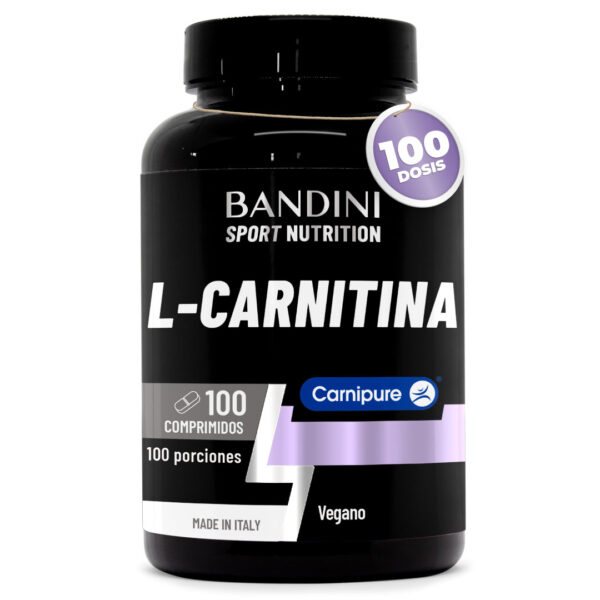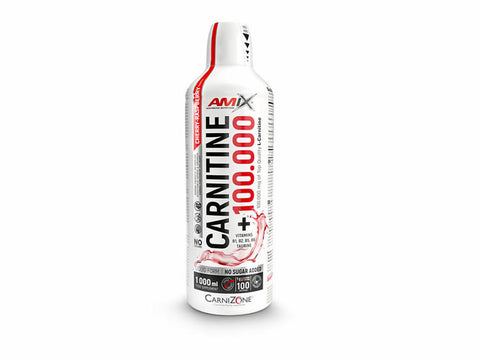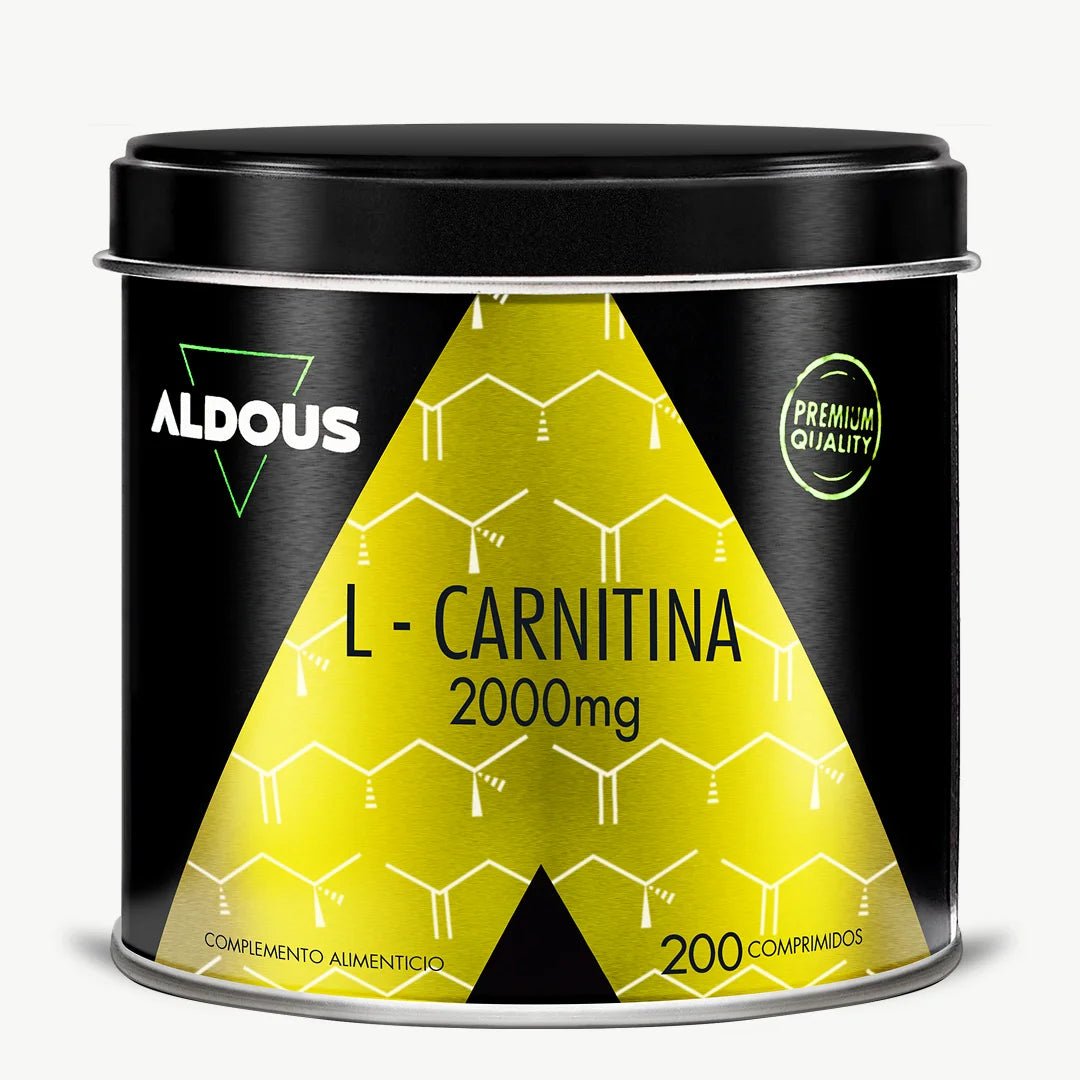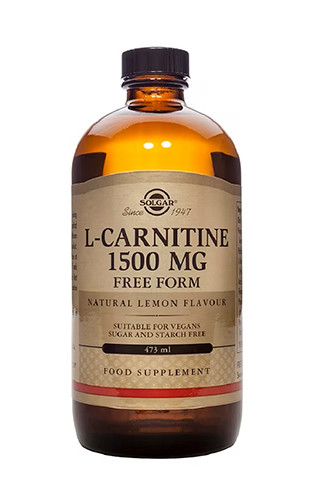
How to Take L-Carnitine Effectively Recommended Dosage Acetyl-L-carnitine (ALCAR) 6002,500 mg per day L-carnitine L-tartrate (LCLT) 1,0004,000 mg per day Propionyl-L-carnitine 1,0004,000 mg per day Best Time to Take Pre-workout to increase energy levels and promote fat oxidation Post-workout to support recovery and reduce muscle soreness Precautions Consult a healthcare professional before starting supplementation Generally safe, but very high doses may cause mild digestive discomfort or nausea Natural Sources of L-Carnitine Even if you choose to supplement, incorporating natural sources can help maintain optimal levels: Red meat such as beef and lamb Poultry including chicken and turkey Fish such as cod, salmon, and tuna Dairy products like milk, yogurt, and cheese Plant-based sources including avocado, soybeans, and tempeh Consuming these foods regularly may reduce the need for higher doses of supplementation, although supplements are especially helpful for athletes and individuals with higher energy demands

This ensures the active ingredients enter your bloodstream directly, bypassing the "first-pass metabolism" of the liver
Certain functional and structural attributes of the peripheral nervous system (PNS) make it more susceptible to the accumulation of chemotherapeutic agents and some neurotoxins, and mammals are more susceptible to oxidative stress due to their high phospholipid content, abundant mitochondrial axoplasm, and weak cellular antioxidant defenses [17, 18]
AOD 9604 injections should be administered subcutaneously
It is performed for one to two hours